
Sugarcane processing is a high-volume, time-sensitive industry. From the moment the cane is harvested, its sucrose content begins to degrade. For plant managers, the primary objective is clear: extract the maximum amount of sugar as efficiently as possible before the cane loses its value. However, relying on traditional, manual adjustments in the milling tandem often leaves valuable sucrose trapped in the leftover fiber (bagasse), directly impacting the plant’s profitability.
To remain competitive, modern sugar mills are moving away from reactive operations. By implementing advanced operational strategies, smart sensors, and centralized control systems, mills can significantly boost their extraction rates, reduce mechanical wear, and optimize energy consumption.
The Bottlenecks of Traditional Milling
Before optimizing the process, it is essential to identify where sugar and money is typically lost on the factory floor:
- Inconsistent Cane Feeding: Feeding cane into the shredders and crushers too quickly causes choking and equipment trips, while feeding it too slowly underutilizes the machinery and lowers the overall throughput.
- Suboptimal Imbibition Water Application: Water is added during the crushing process to wash out the sugar from the fiber. Too little water leaves sucrose in the bagasse; too much water means the factory has to burn excessive energy later to evaporate that water in the boiling house.
- Unplanned Downtime: The milling tandem operates under extreme physical stress. Sudden bearing failures or hydraulic system breakdowns can halt production, leaving harvested cane to spoil in the yard.
Key Strategies for Maximizing Extraction
To overcome these physical and operational limitations, modern sugarcane mills are adopting data-driven strategies:
1. Automating the Cane Feed and Milling Tandem
Upgrading from fixed-speed motors to Variable Frequency Drives (VFDs) on the cane carriers and milling rollers is a game-changer. By using sensors to monitor the thickness of the cane blanket on the conveyor, the system can automatically adjust the speed of the belts and rollers. This ensures a consistent, optimal feed rate, preventing chokes and maximizing the physical crushing efficiency.
2. Precision Control of Imbibition Water
Modern facilities utilize automated control loops to manage imbibition. By continuously measuring the mass of the incoming cane and the speed of the rollers, automated valves can dynamically adjust the flow of hot water applied to the crushed cane. This precise ratio maximizes sucrose recovery while minimizing the energy required for evaporation downstream.
3. Implementing Predictive Maintenance
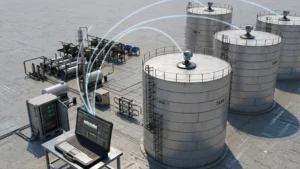
Instead of waiting for heavy machinery to break, reliability engineers are installing IoT vibration and temperature sensors on gearboxes, shredders, and roller bearings. Continuous monitoring allows the maintenance team to detect early signs of mechanical fatigue and schedule targeted repairs during routine cleaning stops, completely avoiding catastrophic, mid-season breakdowns.
Tying It Together: IT Infrastructure and SCADA
These individual strategies VFDs, automated valves, and smart sensors cannot operate in silos. The true transformation of a sugar mill relies on a robust IT infrastructure governed by a SCADA (Supervisory Control and Data Acquisition) system.
SCADA serves as the central nervous system of the modern sugar mill:
- Centralized Visibility: Plant operators can monitor the entire extraction process from the cane yard to the final juice tanks through intuitive dashboards in the control room, providing real-time data on roller pressure, motor loads, and juice flow rates.
- Real-Time Automation: SCADA executes the complex logic required to run the mill efficiently. If a sensor detects a sudden surge in the cane feed, the SCADA system communicates with the PLCs to instantaneously slow down the carrier belt, preventing a mechanical jam without needing human intervention.
- Data-Driven Decisions: SCADA continuously archives performance metrics. By pushing this data to higher-level IT systems, management can analyze historical trends, optimize the mass balance of the plant, and track the exact cost of production per ton of sugar.
The Business Impact
Upgrading a sugarcane mill with automated control strategies and a strong SCADA network directly impacts the bottom line. By optimizing the milling tandem and imbibition process, mills recover more sucrose from every ton of cane. Coupled with a drastic reduction in unplanned downtime and more efficient energy use in the boiling house, these operational strategies ensure that modern mills maximize their yield and maintain a strong competitive edge in the global commodities market.